Key factors to weigh when choosing a gout management plan
Understanding what goes into a sound approach for gout
Gout is a form of arthritis that flares up when uric acid builds up in the blood and forms sharp crystals in a joint. The result is sudden, intense pain and swelling, often in the big toe but sometimes in other joints as well. Managing it well means looking beyond one quick fix and understanding the whole picture. Before you settle on a course of action, there are several things worth checking carefully.
Your uric acid levels and what they mean for you
The first thing to get clear is where your uric acid levels actually sit. A simple blood test can tell you whether your levels are within a safe range or whether they are high enough to cause crystals to form. If your levels are only slightly elevated, dietary changes and good hydration may be enough to keep things under control. If they are significantly high, medication might be necessary. Knowing this starting point helps you and your doctor decide what kind of intervention is appropriate. It also gives you a baseline to measure progress against later.
Dietary changes you can actually stick with
Many people focus on cutting out rich foods and alcohol, and that can help. But a sustainable plan is about more than just avoiding triggers. It means looking at what you eat day to day and finding a pattern that reduces uric acid production without making meals feel like a chore. Reducing intake of purine-rich foods like red meat and shellfish is a common recommendation. Increasing vegetables, low-fat dairy, and whole grains can also support lower uric acid levels. The key is to pick changes that fit your lifestyle so they become habits rather than temporary sacrifices. Hydration matters too - drinking enough water helps your kidneys flush out excess uric acid, which can reduce the frequency of flare-ups.
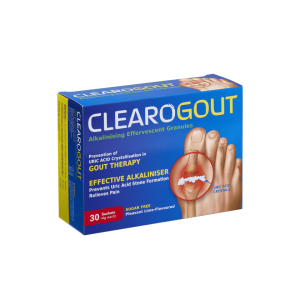
Medication options and their trade-offs
When diet and lifestyle adjustments are not enough, medication often becomes part of the picture. Several types exist, and each has its own benefits and downsides. Allopurinol is a common choice that works by lowering the amount of uric acid your body produces. It is generally well-tolerated and taken once daily, but it can take weeks to reach full effect. Some people find it causes mild side effects like rash or digestive upset. Colchicine is another option, often used to calm inflammation during a flare-up. It can be effective quickly, but it can also cause nausea or diarrhoea if taken too frequently. NSAIDs such as ibuprofen or naproxen are sometimes used to reduce pain and swelling, but they are not suitable for everyone, especially those with stomach issues or kidney concerns. The right choice depends on your health history, your kidney function, and how your body reacts to each drug. A doctor can help you weigh these factors based on your specific situation.
Natural and supportive approaches worth considering
Some people look for complementary ways to support joint health alongside standard treatment. Cherry extract has been studied for its potential to lower uric acid levels and reduce inflammation. While research is still developing, some find it helpful as part of a broader plan. Other supplements like vitamin C may also help with uric acid excretion, though doses need to be sensible to avoid side effects. The important thing is to check with a healthcare professional before adding any supplement, especially if you are already taking medication. Natural does not always mean harmless, and interactions can happen. A thoughtful approach includes looking at the whole picture of your health, not just the joints that hurt right now.
How your overall health affects treatment choices
Gout rarely exists in isolation. Many people with gout also have high blood pressure, diabetes, or kidney issues. These conditions can influence which medications are safe and effective. For example, some diuretics used for blood pressure can raise uric acid levels, so a change in blood pressure medication might be part of the solution. Similarly, kidney function matters because most uric acid is removed through urine. If your kidneys are not working well, some drugs may build up in your system. A good treatment plan takes your whole health profile into account. It is not just about the joint - it is about how everything works together. That is why a thorough check of your current health status is a necessary step before choosing gout treatment.

Long-term thinking versus quick relief
It is easy to focus on stopping the pain of a current flare-up, but a lasting approach looks further ahead. Some treatments work fast but are not meant for ongoing use. Others take time to build up but offer better prevention over months and years. When you discuss options with your doctor, ask about the intended duration of each approach. Some people benefit from a short course of colchicine to calm a flare followed by a daily medication like allopurinol to prevent future attacks. Others may manage with lifestyle changes alone if their uric acid levels are only mildly elevated. The plan that works best is the one you can maintain consistently without major disruption to your life. That means considering cost, convenience, and how the regimen fits into your daily routine.
Communication with your healthcare provider
No article can replace a conversation with a doctor who knows your history. Before you commit to any plan, have a clear discussion about your symptoms, your test results, and your preferences. Ask about potential side effects, how long it might take to see improvement, and what signs should prompt a follow-up visit. Keep a record of your flare-ups and what you were eating or doing beforehand. That information can help your doctor fine-tune your approach over time. Being an active participant in your own care makes a real difference in how well the treatment works.

Putting it all together
Choosing a way to manage gout is not about finding a single perfect answer. It is about looking at your uric acid levels, your diet, your overall health, and your preferences, then matching those to the options available. Whether you lean toward dietary adjustments, medication, or a combination of both, the best path is one that you and your doctor decide together after checking all the relevant factors. Taking the time to do that upfront can save you from wasted effort and unnecessary discomfort down the road.
Ends · THEHEALTHYROUTINE